

Top Takeaways and Key Concepts
→ Choose a profitable niche with audience demand and affiliate opportunities.
→ Build a user-friendly website that loads quickly and is easy to navigate.
→ Create helpful content consistently to build trust and increase affiliate clicks.
→ Use SEO and social media to drive long-term website traffic.
→ Track analytics and conversions to improve affiliate marketing performance over time.
Summary of This Article
Building a profitable affiliate marketing website starts with choosing the right niche, creating helpful content, and attracting targeted traffic. This guide explains how affiliate marketers build niche websites using SEO, email marketing, social media promotion, and user-friendly website design. It also covers affiliate link placement, traffic growth, analytics, and long-term monetization strategies that help turn a niche website into an online income source.
Affiliate marketing websites can generate income by helping readers discover useful products and services. Instead of creating products yourself, affiliate marketing allows you to recommend products and earn commissions from qualifying purchases. The key is building a website that provides value while naturally incorporating affiliate recommendations.
Contents of This Page
Choose a Profitable Affiliate Marketing Niche

The first step to building a profitable affiliate marketing website is choosing the right niche.
A good affiliate niche should:
- Have audience demand
- Include affiliate products or services
- Allow long-term content creation
- Match your interests or expertise
- Have monetization potential

Keyword research tools such as:
- Google Trends
- Ahrefs
- SEMrush
- Ubersuggest
can help identify search demand and trending topics.
Evergreen niches often perform best because they stay relevant over time. Examples include:
- Fitness
- Personal finance
- Technology
- Home improvement
- Pets
- Outdoor gear
- Cooking
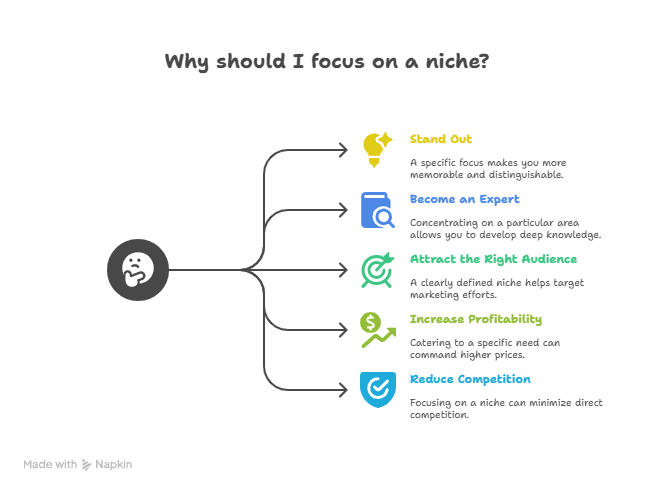
The goal is to find a niche where readers actively search for advice, reviews, and recommendations.
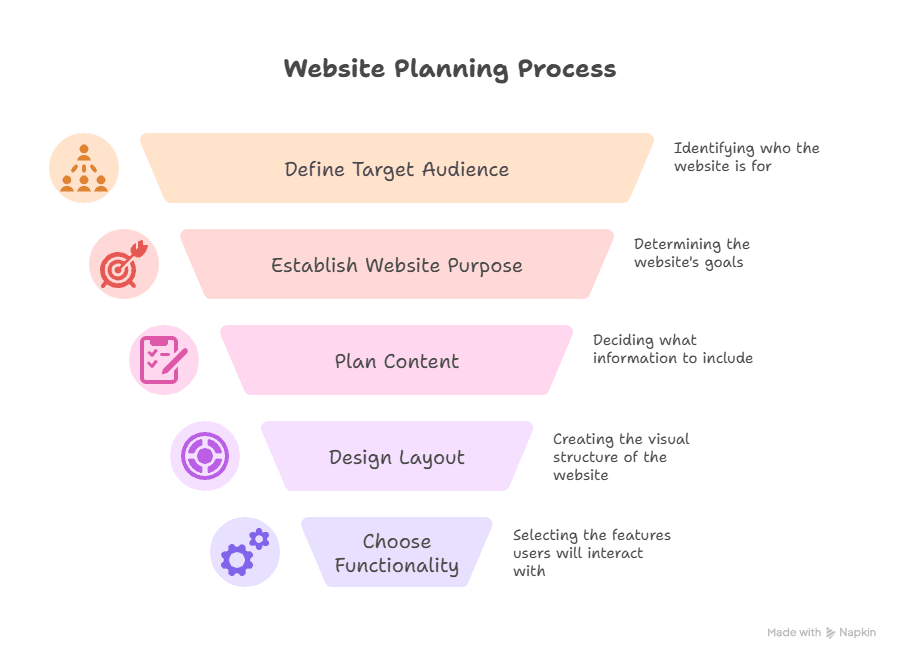
Build a User-Friendly Affiliate Website

Your website acts as the foundation of your affiliate marketing business.
Important website elements include:
- Fast loading speed
- Mobile responsiveness
- Clear navigation
- Readable fonts
- Clean layouts
- Simple menus
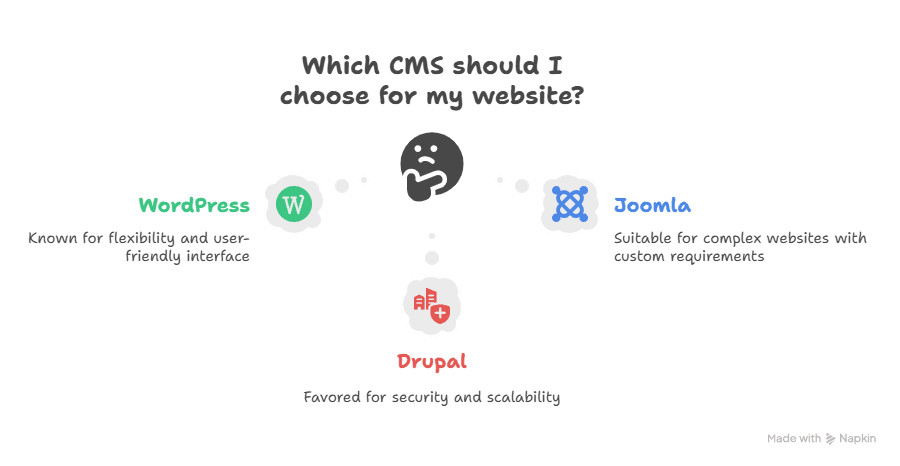
WordPress is one of the most popular website platforms because it is flexible and beginner-friendly.
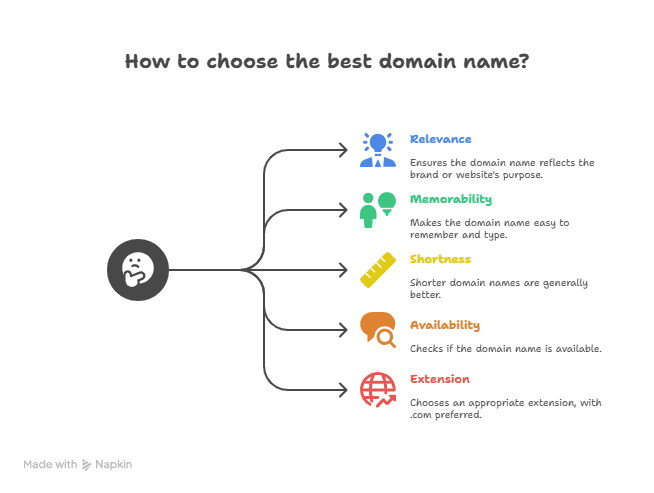
When choosing a domain name:
- Keep it short
- Make it memorable
- Choose something brandable
- Match your niche when possible
Good website usability improves user experience and encourages visitors to stay longer, read more pages, and interact with affiliate links.
Create Helpful Affiliate Marketing Content

Content is one of the most important parts of affiliate marketing success.
Effective affiliate content includes:
- Product reviews
- Comparison articles
- Buying guides
- Tutorials
- How-to articles
- Problem-solving content
Helpful content naturally creates opportunities for affiliate recommendations.

Adding personal experiences and storytelling can improve audience trust and engagement. Readers often respond better to authentic experiences than overly promotional writing.
Strong affiliate content should:
- Answer reader questions
- Solve specific problems
- Provide useful recommendations
- Include clear calls to action
- Build audience trust
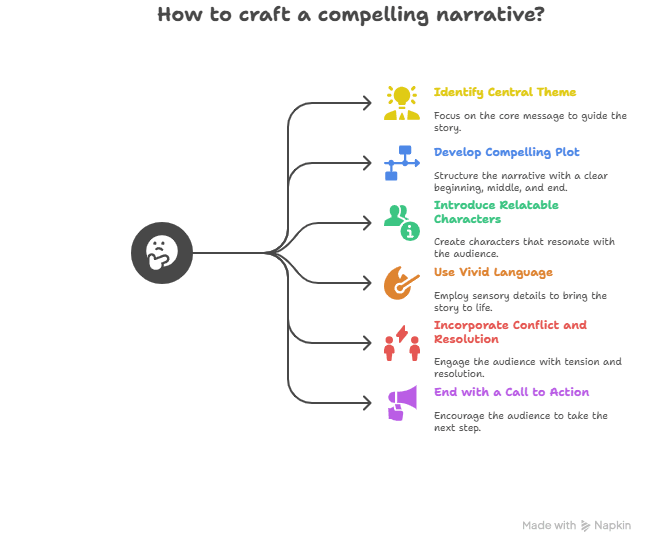
Affiliate links should feel natural and relevant within the content instead of forced or excessive.
Drive Traffic to Your Affiliate Website

Traffic is essential for affiliate marketing because visitors create opportunities for clicks and conversions.
Search engine optimization helps websites rank in Google for relevant keywords. SEO strategies include:
- Keyword optimization
- Internal linking
- Helpful content creation
- Image optimization
- Page speed improvements
- User experience optimization
Social media can also help drive traffic from platforms such as:
- TikTok
- YouTube
Email marketing is another powerful traffic source because it allows direct communication with subscribers.
Building an email list can help:
- Increase repeat visitors
- Promote affiliate content
- Build audience loyalty
- Share product recommendations
- Drive traffic to new articles
Use Affiliate Links Strategically

Affiliate links should improve the reader experience instead of overwhelming visitors.
Best practices include:
- Using links naturally
- Only recommending relevant products
- Avoiding excessive link placement
- Being transparent about affiliate relationships
- Adding links where they provide value
Contextual link placement often performs better because the recommendation feels connected to the topic being discussed.
Too many affiliate links can reduce trust and make content feel spammy. A balanced approach usually performs better long term.
Track Affiliate Marketing Performance
Analytics help affiliate marketers understand what is working and what needs improvement.
Important metrics include:
- Page views
- Click-through rates
- Affiliate conversions
- Traffic sources
- Bounce rates
- Top-performing content
Google Analytics and affiliate dashboards can help identify:
- Which articles generate traffic
- Which affiliate products convert best
- Which traffic sources perform strongest
- Which keywords drive visitors
Tracking performance consistently allows you to improve strategies and grow your affiliate website over time.
Final Thoughts on Building a Profitable Affiliate Marketing Website
Building a profitable affiliate marketing website takes consistency, useful content, traffic generation, and audience trust. The strongest affiliate websites focus on helping readers while naturally recommending products that solve real problems.
Choosing a profitable niche, building a user-friendly website, creating helpful content, driving traffic, and tracking analytics can all help grow a successful affiliate marketing business over time.
Suggested Resources:
Affiliate Marketing Strategies That Work
https://www.shopify.com/blog/affiliate-marketing-strategies
How To Build a Successful Niche Website
https://www.wpbeginner.com/beginners-guide/how-to-build-a-niche-website/
The Ultimate Guide to Affiliate Marketing
https://neilpatel.com/what-is-affiliate-marketing/
Frequently Asked Questions
How do I choose a profitable affiliate marketing niche?
Choose a niche with audience demand, affiliate products, long-term content opportunities, and topics you can consistently create content around.
What makes a good affiliate marketing website?
A good affiliate website is fast, mobile-friendly, easy to navigate, and focused on helpful content that builds audience trust.
What type of content works best for affiliate marketing?
Product reviews, tutorials, buying guides, comparison articles, and problem-solving content often perform best for affiliate marketing.
How can I drive traffic to my affiliate website?
SEO, social media promotion, email marketing, and helpful content creation can all help drive targeted traffic to your website.
How many affiliate links should I use?
Use affiliate links naturally and only where they provide value. Too many links can reduce trust and hurt user experience.
Why is email marketing important for affiliate websites?
Email marketing helps build repeat traffic, strengthen audience loyalty, and promote new affiliate content directly to subscribers.
What metrics should affiliate marketers track?
Important metrics include page views, affiliate clicks, conversions, traffic sources, bounce rates, and top-performing content.

Kevin Collier is a seasoned writer and technology enthusiast with a passion for exploring the latest industry trends. With a background in digital marketing and content creation, he brings insightful perspectives to imhits.com on emerging technologies, innovations, and their impact on everyday life. When he’s not writing, Kevin enjoys experimenting with new gadgets and sharing his knowledge with fellow tech aficionados.