

Top Takeaways and Key Concepts
→ Understand your audience so your affiliate content matches their interests and needs.
→ Create engaging visual content that attracts attention and increases clicks.
→ Post at strategic times to improve visibility and audience interaction.
→ Use hashtags carefully to increase reach without looking spammy.
→ Build trust through authenticity to improve engagement and affiliate conversions.
Summary of This Article
Learning how to promote affiliate links on social media requires more than posting random links and hoping for clicks. This guide explains how affiliate marketers use audience targeting, engaging visuals, storytelling, hashtags, posting schedules, and authentic engagement to increase traffic and conversions. It also covers social media analytics, relationship-building, and content optimization strategies that help improve affiliate marketing performance over time.
Social media platforms give affiliate marketers access to large audiences, but competition is intense. Successful affiliate marketing on social media depends on creating useful and engaging content that feels natural instead of overly promotional. When done correctly, social media can become a major traffic source for affiliate income.
Contents of This Page
Understand Your Affiliate Marketing Audience

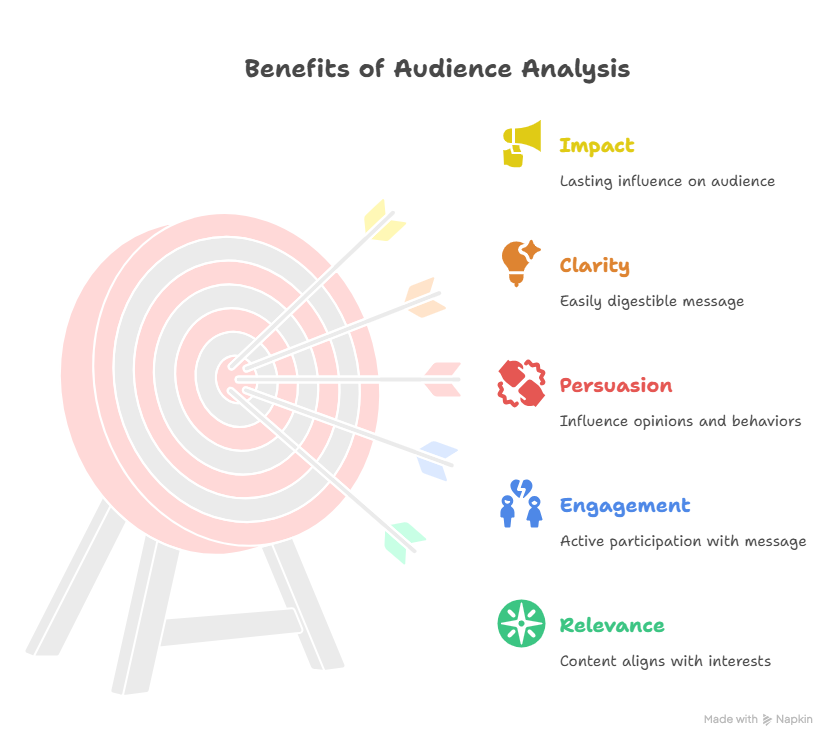
Understanding your audience is one of the most important parts of affiliate marketing success.
You need to understand:
- Audience interests
- Common problems
- Buying behaviors
- Content preferences
- Engagement habits
Social media analytics tools from platforms such as:
- TikTok
- YouTube
can help identify audience demographics and engagement trends.
Once you understand what your audience cares about, you can create content that solves problems and naturally introduces affiliate products as useful solutions.
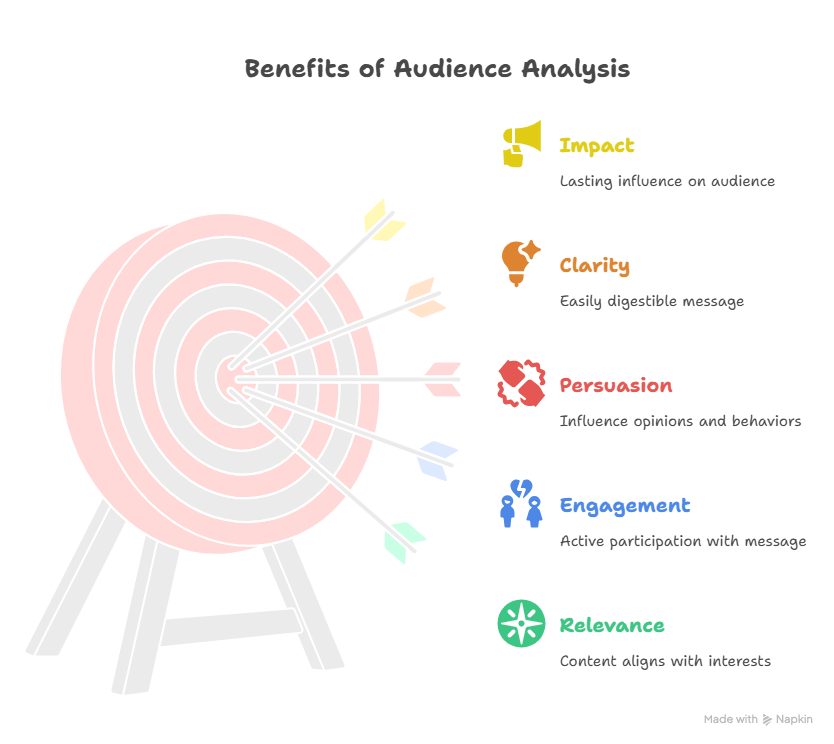
Affiliate marketing content performs best when it feels helpful instead of aggressively sales-focused.
Create Engaging Affiliate Marketing Content

Engaging content is essential for getting attention on social media.
Effective affiliate content often includes:
- Product demonstrations
- Personal experiences
- Tutorials
- Short videos
- Infographics
- Reviews
- Stories
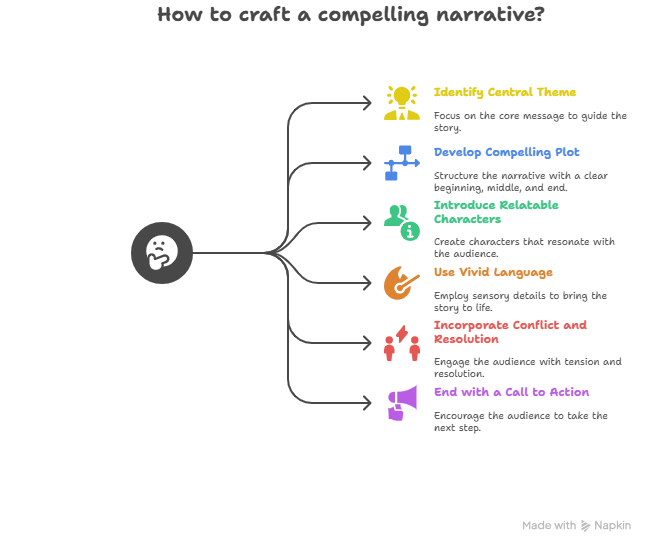
Visual content performs especially well because images and videos attract attention quickly while users scroll through feeds.
Videos are often highly effective for affiliate marketing because they allow creators to:
- Demonstrate products
- Show real usage
- Build trust visually
- Increase audience engagement
Short-form video platforms such as TikTok, Instagram Reels, and YouTube Shorts can help affiliate marketers reach large audiences quickly.
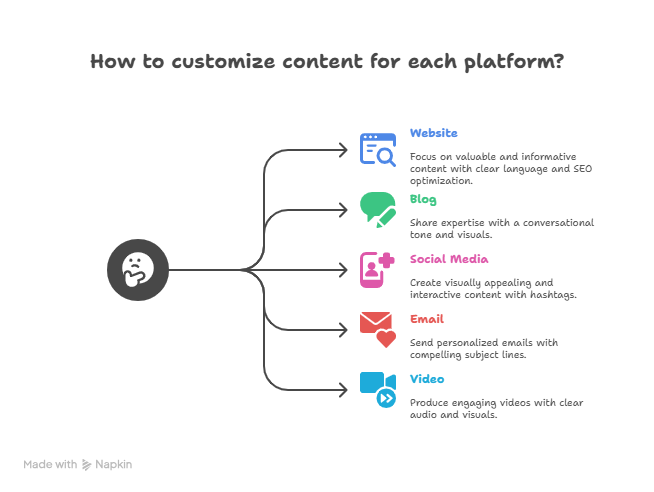
The best affiliate marketing content focuses on solving problems and providing value instead of simply promoting products.
Post Affiliate Content at the Right Times

Posting times can significantly affect engagement and visibility.
Different audiences are active at different times depending on:
- Work schedules
- Time zones
- Platform habits
- Content type
Testing different posting times helps identify when your audience is most active.
Scheduling tools such as:
- Buffer
- Hootsuite
- Later
- Meta Business Suite
can help automate social media posting and maintain consistency.
Consistency is important because regular posting keeps your audience engaged and improves long-term visibility on social media algorithms.
Use Hashtags Strategically
Hashtags help social media platforms categorize content and improve discoverability.
A balanced hashtag strategy may include:
- Niche-specific hashtags
- Broad industry hashtags
- Location-based hashtags
- Trending hashtags when relevant
Examples of affiliate marketing hashtag types include:
- #FitnessGear
- #WorkoutEssentials
- #HomeOfficeSetup
- #TechReviews
- #HealthyLiving
Too many hashtags can make posts appear spammy, so moderation is important.
The goal is to improve visibility while keeping content focused and professional.
Build Trust Through Social Media Engagement
Social media success depends heavily on audience trust and relationship-building.
Ways to improve engagement include:
- Replying to comments
- Answering questions
- Running polls
- Starting discussions
- Sharing personal experiences
- Posting authentic content
Authenticity is especially important in affiliate marketing because people are more likely to purchase products recommended by creators they trust.
Sharing honest opinions, including both positives and negatives, can improve credibility significantly.
The strongest affiliate marketers focus on building long-term audience relationships instead of chasing short-term clicks.
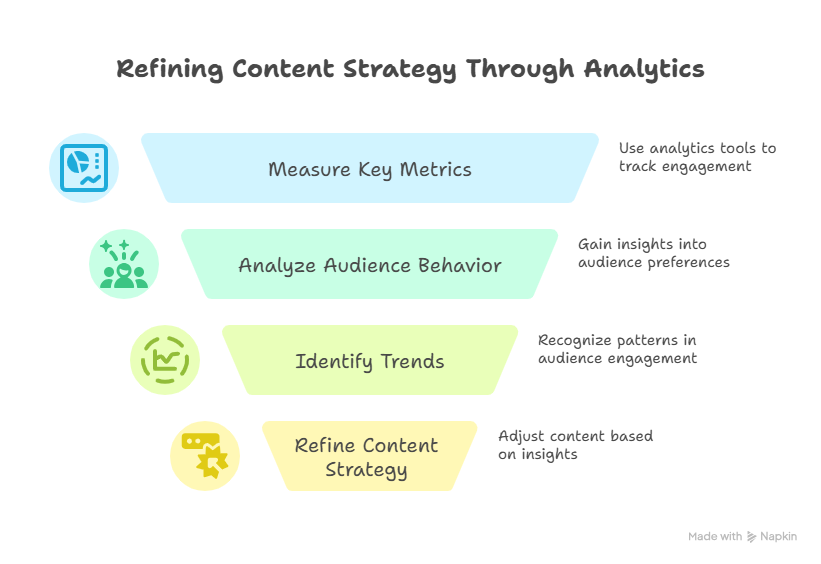
Track Affiliate Marketing Performance
Analytics help affiliate marketers understand which content performs best.
Important metrics include:
- Click-through rates
- Engagement rates
- Shares and saves
- Affiliate conversions
- Traffic sources
- Follower growth
By reviewing analytics consistently, affiliate marketers can identify:
- Which content types perform best
- Which platforms drive the most clicks
- Which posting times improve engagement
- Which products convert most effectively
Testing and adapting strategies over time can improve affiliate marketing performance significantly.
Final Thoughts on Promoting Affiliate Links on Social Media
Learning how to promote affiliate links on social media requires consistency, audience understanding, engaging content, and trust-building.
The most successful affiliate marketers focus on helping their audience while naturally recommending useful products. Combining strong visuals, authentic communication, strategic posting, hashtags, and analytics can help improve both engagement and affiliate conversions over time.
Suggested Resources
How To Promote Affiliate Links on Social Media
https://www.smartpassiveincome.com/blog/promote-affiliate-links-social-media/
The Ultimate Guide to Affiliate Marketing
https://www.shopify.com/blog/affiliate-marketing-guide
10 Tips for Effective Social Media Marketing
https://neilpatel.com/blog/social-media-marketing-tips/
Frequently Asked Questions
How do I promote affiliate links on social media effectively?
Focus on audience targeting, engaging content, authentic recommendations, strategic posting times, and consistent relationship-building.
What type of content works best for affiliate marketing on social media?
Videos, tutorials, product demonstrations, reviews, infographics, and storytelling content often perform best.
Why is audience engagement important for affiliate marketing?
Engagement helps build trust and community, making followers more likely to click affiliate links and purchase recommended products.
How many hashtags should I use for affiliate posts?
Use a balanced mix of relevant hashtags without overloading the post. Too many hashtags can reduce professionalism and trust.
What platforms work best for affiliate marketing?
Popular affiliate marketing platforms include Instagram, TikTok, Facebook, Pinterest, YouTube, and X depending on your niche and content style.
How can I make affiliate posts feel more authentic?
Share real experiences, honest opinions, useful tips, and genuine product demonstrations instead of aggressive sales pitches.
What metrics should affiliate marketers track on social media?
Important metrics include click-through rates, engagement, affiliate conversions, follower growth, and content performance.

Kevin Collier is a seasoned writer and technology enthusiast with a passion for exploring the latest industry trends. With a background in digital marketing and content creation, he brings insightful perspectives to imhits.com on emerging technologies, innovations, and their impact on everyday life. When he’s not writing, Kevin enjoys experimenting with new gadgets and sharing his knowledge with fellow tech aficionados.