

Top Takeaways and Key Concepts
→ Choose a focused niche that matches your expertise and audience demand.
→ Create short engaging lessons that are easy for students to follow.
→ Use visuals and storytelling to improve learning and retention.
→ Select the right course platform based on your teaching and marketing needs.
→ Promote your course consistently through social media and audience engagement.
Summary of This Article
Learning how to create and sell online courses can help turn your knowledge into a long-term online income stream. This guide explains how to choose a profitable course niche, create engaging lessons, select the best course platform, market your course effectively, and keep students engaged after enrollment. It also covers social media promotion, student interaction, and additional monetization opportunities that can help grow your online course business over time.
Online courses allow creators to teach valuable skills while building scalable income streams. Whether you teach business, fitness, gardening, photography, technology, or creative skills, online education continues to grow rapidly as more people search for flexible learning opportunities.
Contents of This Page
Choose the Right Online Course Niche

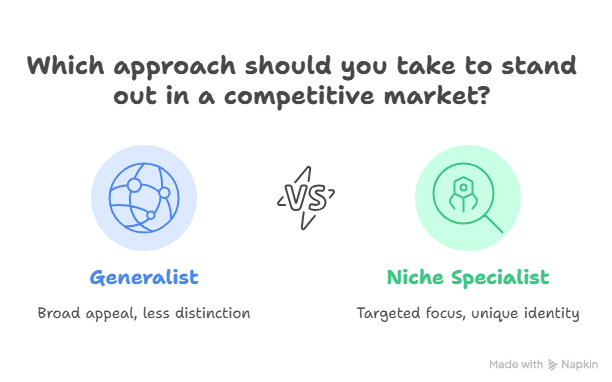
Choosing the right niche is one of the most important parts of creating a successful online course.
Strong course niches often:
- Solve specific problems
- Teach valuable skills
- Have audience demand
- Match your expertise
- Allow long-term content creation
Good course ideas often come from:
- Frequently asked questions
- Professional experience
- Hobbies and skills
- Personal success stories
- Audience feedback
Examples of popular course niches include:
- Affiliate marketing
- Photography
- Fitness training
- Graphic design
- Gardening
- Cooking
- Public speaking
- Programming
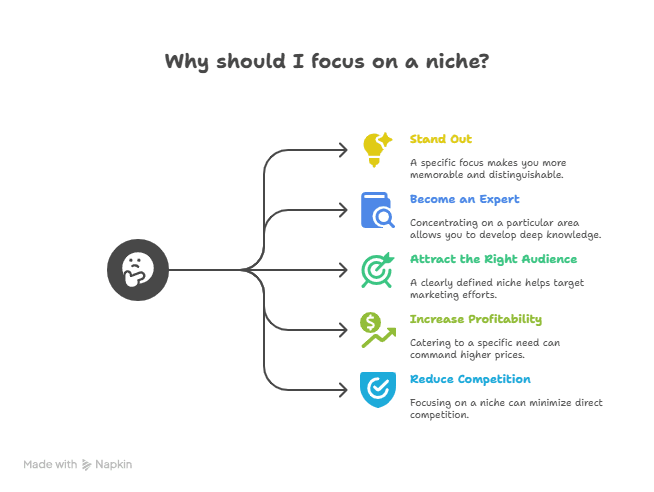
A focused niche makes it easier to attract the right students and create targeted lessons that solve specific problems.
Create Engaging Online Course Content

Engaging content keeps students interested and improves course completion rates.
Effective online courses often include:
- Video lessons
- Downloadable resources
- Quizzes
- Worksheets
- Assignments
- Interactive discussions
Short lessons usually perform best because they help students avoid feeling overwhelmed.
Breaking lessons into short sections can:
- Improve retention
- Increase completion rates
- Keep students focused
- Make learning easier
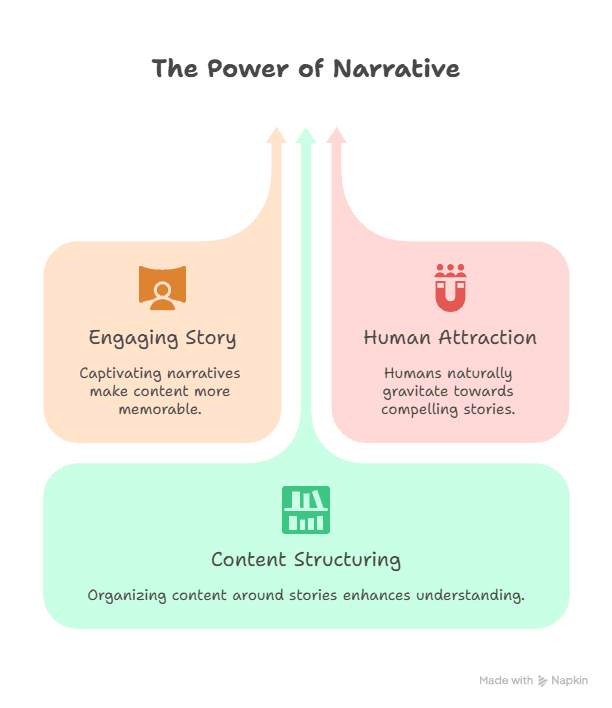
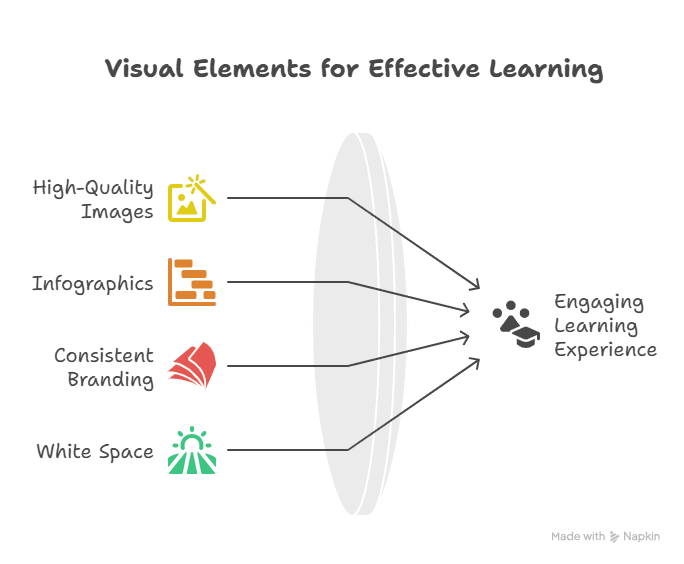
Visuals, storytelling, and real-world examples also help improve engagement and make lessons more memorable.
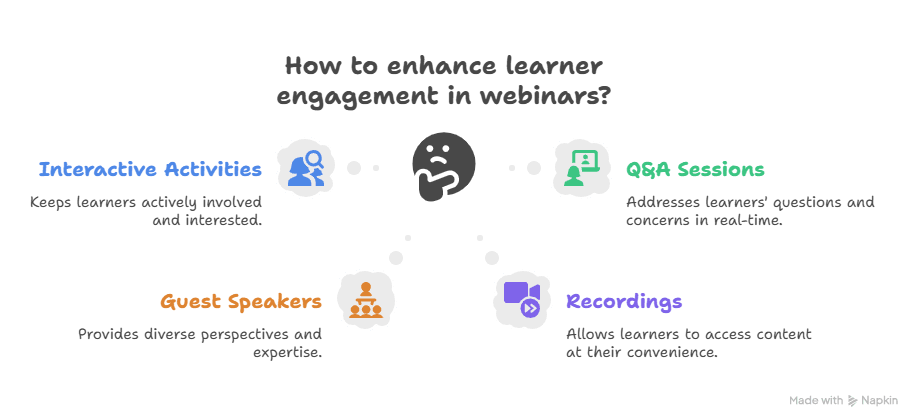
Interactive features such as:
- Discussion boards
- Live Q&A sessions
- Polls
- Community groups
can strengthen student participation and improve the learning experience.
Choose the Best Online Course Platform

The platform you choose can affect both the student experience and your marketing options.
Popular online course platforms include:
- Teachable
- Thinkific
- Udemy
- Kajabi
- Podia
Different platforms offer different features such as:
- Email marketing tools
- Course builders
- Community features
- Affiliate systems
- Analytics dashboards

Free trials can help you compare:
- Ease of use
- Marketing features
- Student experience
- Customization options
- Pricing structures
Choosing a platform that matches both your teaching style and business goals is important for long-term success.
Market Your Online Course Effectively

Marketing is essential for getting students to enroll in your course.
Common course marketing strategies include:
- Social media promotion
- Email marketing
- Free content previews
- Student testimonials
- Launch campaigns
- Affiliate partnerships
Social media platforms such as:
- YouTube
- TikTok
can help creators reach large audiences.
Content marketing also works well for online courses because:
- Blog posts build authority
- Videos attract viewers
- Email lists build trust
- Social media increases awareness
Consistent promotion helps keep your course visible and can generate ongoing enrollments over time.
Increase Revenue Beyond Course Sales

Online courses can lead to additional income opportunities beyond course sales alone.
Additional monetization ideas include:
- Coaching sessions
- Consulting
- E-books
- Private communities
- Downloadable templates
- Affiliate marketing
- Premium memberships
Personalized coaching and feedback sessions can be especially valuable because students often appreciate direct support and customized guidance.
Additional services can increase both student satisfaction and long-term revenue potential.
Keep Online Course Students Engaged
Keeping students engaged improves reviews, referrals, and long-term course success.
Ways to improve engagement include:
- Updating lessons regularly
- Sending follow-up emails
- Providing bonus resources
- Encouraging discussions
- Answering student questions
- Building community interaction
Students who feel supported are more likely to:
- Complete the course
- Leave positive reviews
- Recommend your course
- Purchase future products
Strong student relationships can significantly improve long-term business growth.
Final Thoughts on Creating and Selling Online Courses
Learning how to create and sell online courses can turn your expertise into a scalable online business. The most successful course creators focus on solving problems, creating engaging lessons, supporting students, and consistently promoting their content.
By choosing the right niche, creating helpful lessons, selecting a strong platform, marketing effectively, and building student relationships, online courses can become a powerful long-term income source.
Suggested Resources
How To Create an Online Course
https://www.teachable.com/blog/how-to-create-an-online-course/
Marketing Your Online Course
https://www.udemy.com/blog/marketing-your-online-course/
Making Money with Online Courses
https://www.onlinecoursehow.com/making-money-with-online-courses/
Frequently Asked Questions
How do I choose a topic for my online course?
Choose a topic that matches your expertise, solves problems, and has strong audience demand.
What makes online course content engaging?
Short lessons, visuals, storytelling, quizzes, interactive discussions, and real-world examples help improve engagement.
What are the best platforms for online courses?
Popular course platforms include Teachable, Thinkific, Udemy, Kajabi, and Podia depending on your goals and features needed.
How can I market my online course?
Social media marketing, email campaigns, content marketing, testimonials, and launch promotions can help attract students.
Can online courses generate passive income?
Yes, online courses can continue generating income over time, especially when combined with evergreen marketing strategies.
What additional income streams can course creators offer?
Course creators can offer coaching, consulting, memberships, templates, affiliate products, and downloadable resources.
Why is student engagement important for online courses?
Engaged students are more likely to complete courses, leave positive reviews, refer others, and purchase future products.

Kevin Collier is a seasoned writer and technology enthusiast with a passion for exploring the latest industry trends. With a background in digital marketing and content creation, he brings insightful perspectives to imhits.com on emerging technologies, innovations, and their impact on everyday life. When he’s not writing, Kevin enjoys experimenting with new gadgets and sharing his knowledge with fellow tech aficionados.