

Top Takeaways and Key Concepts
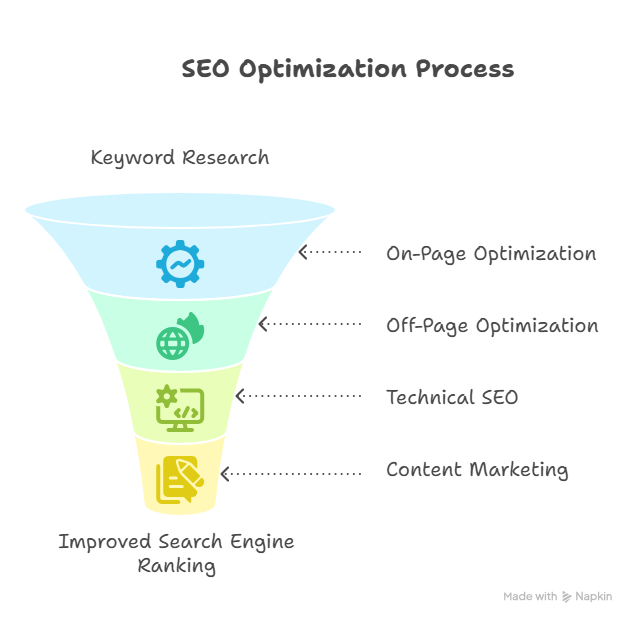
→ Use keyword research strategically to improve content targeting and visibility.
→ Optimize meta titles and descriptions to increase search engine click-through rates.
→ Create valuable content consistently to improve engagement and rankings.
→ Ensure mobile optimization for better user experience and search performance.
→ Build quality backlinks naturally to strengthen website authority and trust.
Summary of This Article
SEO strategies help websites improve search engine rankings, increase traffic, and create better user experiences. This guide explains how keyword research, content optimization, mobile responsiveness, backlinks, analytics, and formatting improvements contribute to stronger website performance. It also highlights how valuable content, search visibility, and audience engagement work together to support long-term SEO growth.
Search engine optimization continues evolving as search engines focus more heavily on user experience, content quality, and mobile usability. Websites that follow strong SEO strategies are more likely to attract consistent long-term organic traffic.
Contents of This Page
Understand the Basics of SEO Strategies

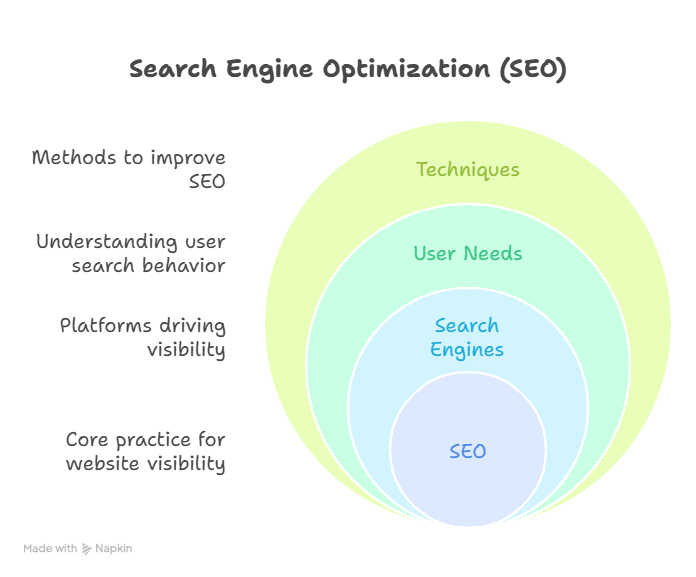
SEO strategies help search engines understand website content more effectively.
Core SEO elements include:
- Keyword research
- Meta optimization
- Content quality
- Internal linking
- Page speed
- Mobile optimization
Keyword research helps identify:
- Popular search terms
- User intent
- Traffic opportunities
- Low-competition keywords
Tools commonly used for keyword research include:
- Google Keyword Planner
- Ubersuggest
- Ahrefs
- SEMrush
Using targeted keywords naturally throughout content helps search engines better understand page topics.
Optimize Meta Titles and Descriptions
Meta titles and descriptions strongly influence click-through rates in search results.
Effective meta titles often:
- Include target keywords
- Remain concise
- Explain page value clearly
- Encourage clicks naturally
Strong meta descriptions may include:
- Clear summaries
- Calls-to-action
- Search intent alignment
- Natural language
Well-optimized meta tags help:
- Improve search visibility
- Increase clicks
- Improve user expectations
- Strengthen keyword relevance
Meta optimization works best when titles and descriptions feel useful instead of overly promotional.
Create High-Quality SEO Content

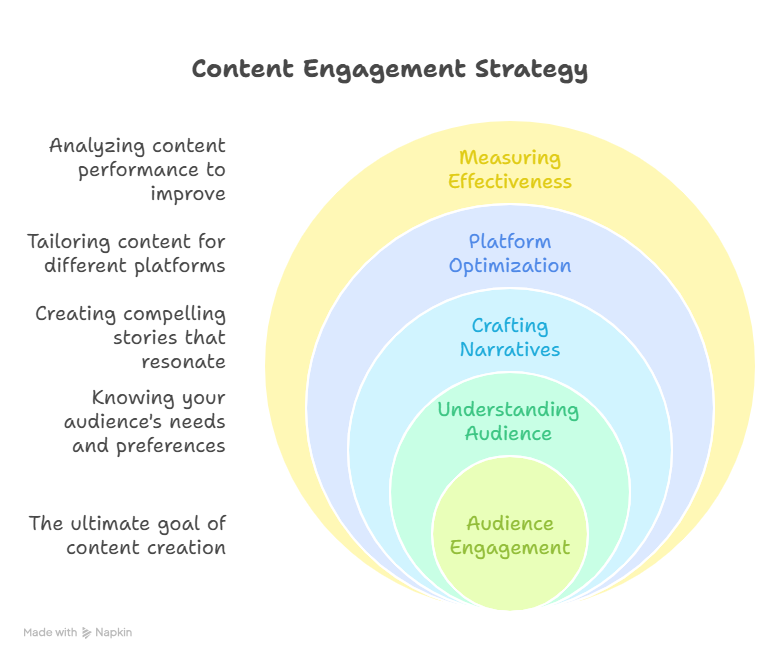
Content quality plays a major role in SEO performance.
High-quality content often:
- Answers user questions
- Provides helpful information
- Uses readable formatting
- Includes visuals
- Maintains strong organization
Formatting improvements such as:
- Bullet points
- Headings
- Short paragraphs
- Images
- Infographics
help improve:
- Readability
- User engagement
- Time on page
- Content sharing
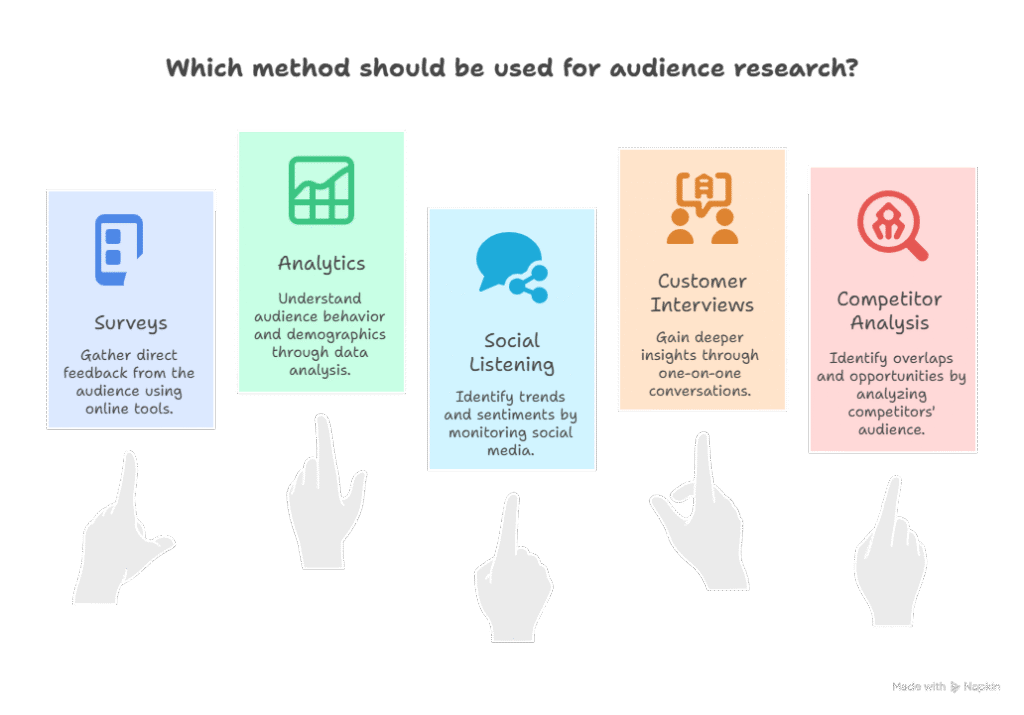
Search engines increasingly prioritize content that provides genuine value and positive user experiences.
Improve Mobile SEO and User Experience

Mobile optimization is now essential for strong search engine rankings.
Important mobile SEO factors include:
- Responsive design
- Fast page speed
- Readable text
- Easy navigation
- Mobile-friendly layouts
Google now prioritizes mobile-first indexing, meaning mobile versions of websites heavily influence rankings.
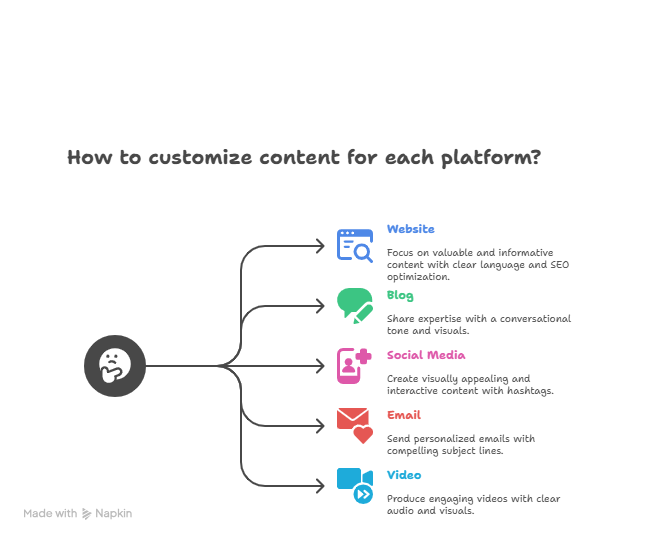
A poor mobile experience can increase:
- Bounce rates
- User frustration
- Page abandonment
- Ranking issues
Fast-loading pages and responsive layouts help improve both rankings and user satisfaction.
Build Backlinks to Strengthen SEO Authority

Backlinks act as trust signals that help improve website authority.
Common backlink strategies include:
- Guest posting
- Creating shareable content
- Industry networking
- Resource pages
- Collaborations
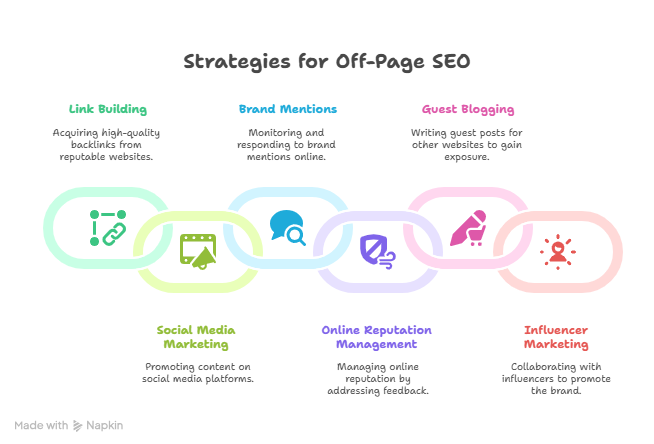
Content that often earns backlinks naturally includes:
- Infographics
- Research studies
- Tutorials
- Videos
- Original insights
Search engines generally view backlinks from trusted websites as signals of authority and relevance.
Building backlinks naturally through valuable content usually works better long term than aggressive link-building tactics.
Track SEO Performance With Analytics
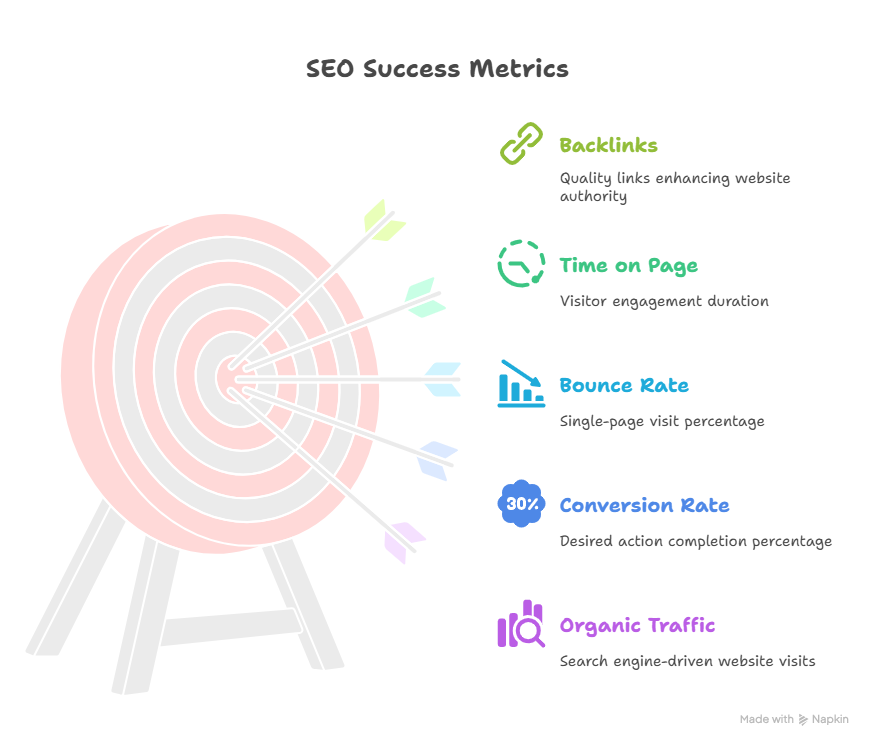
Analytics help website owners understand how SEO strategies perform over time.
Important SEO metrics include:
- Organic traffic
- Bounce rates
- Average session duration
- Keyword rankings
- Page performance
- Click-through rates
Popular SEO analytics tools include:
- Google Analytics
- Google Search Console
- Ahrefs
- SEMrush
Regular analysis helps identify:
- Top-performing pages
- Traffic opportunities
- Technical SEO issues
- Content improvements
SEO strategies work best when adjusted continuously based on real performance data.
Final Thoughts on SEO Strategies
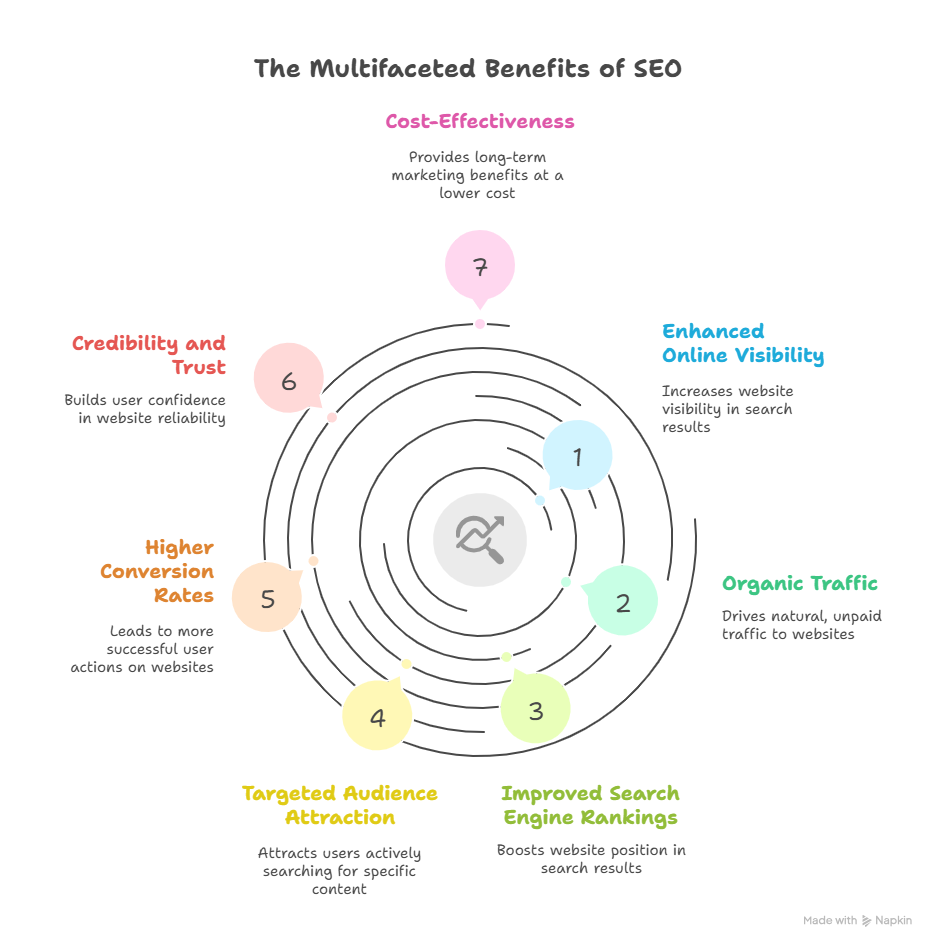
SEO strategies combine keyword research, quality content, mobile optimization, backlinks, and analytics to improve search engine visibility and website performance.
The strongest SEO strategies focus on:
- User experience
- Helpful content
- Consistent optimization
- Long-term growth
- Audience value
Websites that consistently create useful content and optimize for both users and search engines are more likely to achieve long-term ranking success.
Suggested Resources
SEO Beginner’s Guide
https://moz.com/beginners-guide-to-seo
Google Search Central
https://developers.google.com/search
Backlink Strategy Guide
https://ahrefs.com/blog/backlinks/
Frequently Asked Questions
What are SEO strategies?
SEO strategies are techniques used to improve website visibility, rankings, and traffic through search engine optimization.
Why is keyword research important for SEO?
Keyword research helps identify what users search for and guides content optimization strategies.
How do meta titles and descriptions improve SEO?
Optimized meta tags improve click-through rates and help search engines understand page content.
Why does content quality matter for SEO?
High-quality content improves user engagement, answers search intent, and helps websites rank better over time.
Why is mobile optimization important for rankings?
Google prioritizes mobile-friendly websites through mobile-first indexing, making mobile optimization essential.
How do backlinks improve SEO performance?
Backlinks from trusted websites strengthen authority and signal credibility to search engines.
Why should websites track SEO analytics?
Analytics reveal performance trends, ranking opportunities, traffic behavior, and areas needing improvement.

Kevin Collier is a seasoned writer and technology enthusiast with a passion for exploring the latest industry trends. With a background in digital marketing and content creation, he brings insightful perspectives to imhits.com on emerging technologies, innovations, and their impact on everyday life. When he’s not writing, Kevin enjoys experimenting with new gadgets and sharing his knowledge with fellow tech aficionados.